What the NudifyAI Free Plan Really Includes
Can you tell the difference between a real photo and one the AI secretly altered?
The introductory tier lets you try core transformation features without a credit card. You can upload a photo in your browser and see how the tool handles clothing removal and image generation.
Expect a basic, hands-on view of model quality and output limits. The interface shows how lighting and prompts affect realism. You also get a feel for processing speed and the browser-based workflow.
Privacy matters: review the policy so you know how your data and consent are handled during processing. The entry-level option is useful for testing whether the results match your needs before you consider subscription pricing or higher credits.
Key Takeaways
- You can test core features in the browser without a card.
- The tier shows how models handle lighting, prompts, and realism.
- Limits exist; upgrading may be needed for more credits or better output.
- Check the privacy policy to understand data handling and consent.
- Use clear photos for best results from the generation models.
Understanding the NudifyAI Free Plan
Each month the service refreshes a small set of credits so you can transform a limited number of images.
What is the Free Tier?
What is the Free Plan
The introductory tier gives you browser access to the core nudify engine for a set number of photos each month.
It is credit-based: credits reset monthly for active users and control how many image conversions you can run.
How to Get Started
The process is simple and fast. First, upload a photo from your device to the browser interface.
Next, the AI begins processing the image using trained models that understand clothing and human anatomy.
Finally, download the output once processing finishes. The whole flow requires no install and is designed for ease of use.
- The tier is meant for personal testing and requires explicit consent from any people in your photos.
- Quality depends on lighting and clarity of your source photo; clearer images yield better generation results.
- Privacy details explain how your data and content are handled during processing.
| Aspect | What to Expect | Why It Matters |
|---|---|---|
| Credits per month | Limited number of image conversions | Controls your monthly use and testing scope |
| Start process | Upload → processing → download | Fast workflow in your browser, no software needed |
| Privacy & consent | Clear data handling and explicit consent required | Protects people featured in photos and complies with rules |
Core Features Available at No Cost
You get browser-based access to the core AI engine so you can test basic image generation without installing software.
The free tier gives access to a standard model that handles common file formats like JPG and PNG.
You can upload a photo and run simple generation tasks to check output quality. The tool works directly in your browser, so no setup is needed.
This makes it easy for users to experiment with adult content styles, clothing removal, and skin texture synthesis.
- Supports JPG and PNG uploads for quick tests of images and photos.
- Browser processing keeps the workflow fast and accessible for casual use.
- Privacy and data handling follow the platform’s policy, and explicit consent is required for people in your images.
| Feature | What it does | Why it matters |
|---|---|---|
| Engine access | Standard model for basic generation | Helps you judge output quality before upgrading |
| File support | JPG, PNG | Simple uploads make testing faster |
| Browser processing | Upload → process → download | No install; easy trial of features |
| Privacy controls | Consistent data handling and consent | Protects subjects and your data |
How the Free Tier Compares to Premium Options
Comparing the entry tier to paid subscriptions shows clear differences in speed, resolution, and features.
Understanding these gaps helps you decide whether occasional testing meets your needs or if you should upgrade for steady work.
Identifying Feature Gaps
Processing speed and output quality are the most noticeable contrasts. Premium options deliver faster processing and higher-resolution image output for professional use.
Watermarks are often removed on paid tiers, giving cleaner images for adult content or client-facing work.
“Premium plans usually trade limits for consistency: better models, quicker results, and fewer interruptions.”
- Free users may hit strict monthly limits on photos and images, while paid options extend those limits.
- Advanced tools for bulk image and video generation appear in paid subscriptions.
- Privacy and data handling typically remain consistent, though premium users get priority support.
| Aspect | Entry Tier | Premium Options |
|---|---|---|
| Resolution | Standard image sizes | Higher-resolution output for professional use |
| Processing speed | Slower, queued processing | Faster, prioritized processing |
| Monthly limits | Strict image/photo caps per month | Generous or unlimited generation options |
| Watermark | Often present on output | Removed for clean output |
| Advanced models | Basic generation tools | Models handling complex clothing and lighting |
Evaluate how often you process images, the quality you expect, and your pricing tolerance. If limits slow your creative process, premium options provide more flexibility and faster delivery.
Navigating the User Interface
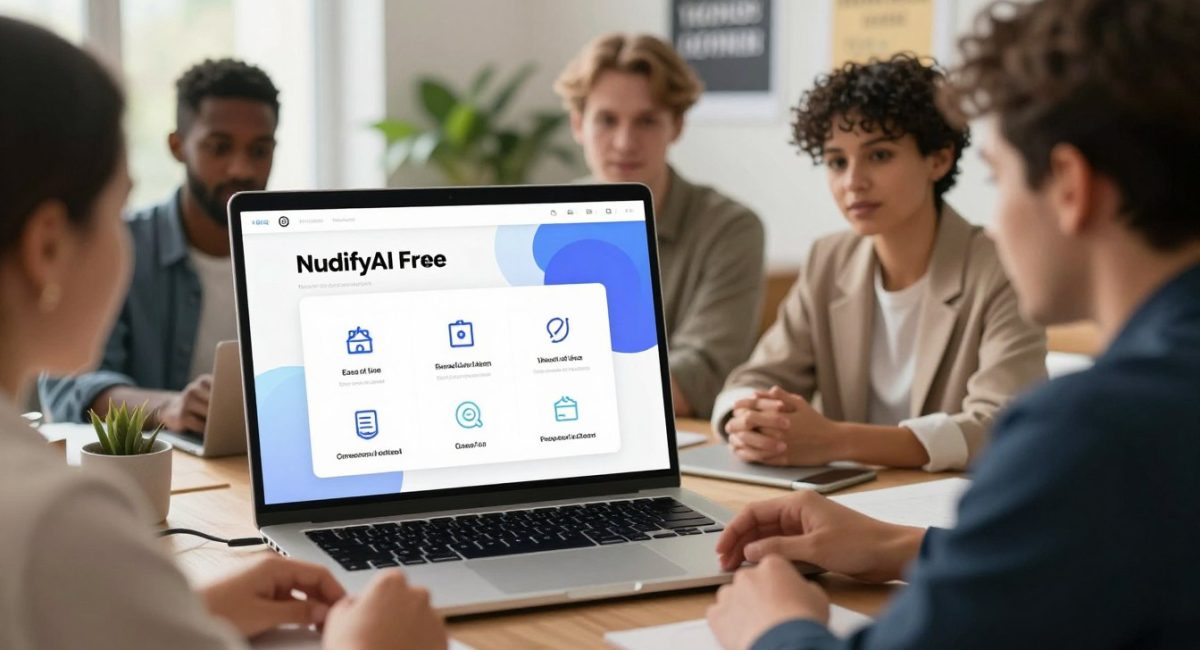
A clear, browser-based interface helps you move from upload to output in a few clicks.
Drag-and-drop upload sits front and center so you can add a photo quickly. The upload area works in any modern browser and starts processing as soon as you drop a file.
The dashboard shows your remaining credits for the month and a simple history of processed images. You can download or delete past output without extra steps.
Menus are labeled for easy navigation. Switch processing modes, adjust settings for image quality, or select clothing-focused generation with clear controls.
- Tooltips and inline guides explain each feature as you use it.
- Privacy and account settings are grouped so you can manage consent and data quickly.
- The layout adapts to desktop and mobile for on-the-go access.
“A clean interface cuts the learning curve and keeps your workflow fast.”
| Area | What it shows | Why it helps |
|---|---|---|
| Upload | Drag-and-drop, JPG/PNG support | Saves time and avoids extra steps |
| Dashboard | Credits, history, recent output | Helps you manage monthly usage |
| Settings | Processing controls, privacy options | Fine-tunes output and protects data |
Technical Requirements for Optimal Results
Good input makes all the difference: the right photo helps the AI produce convincing results.
Lighting and Resolution
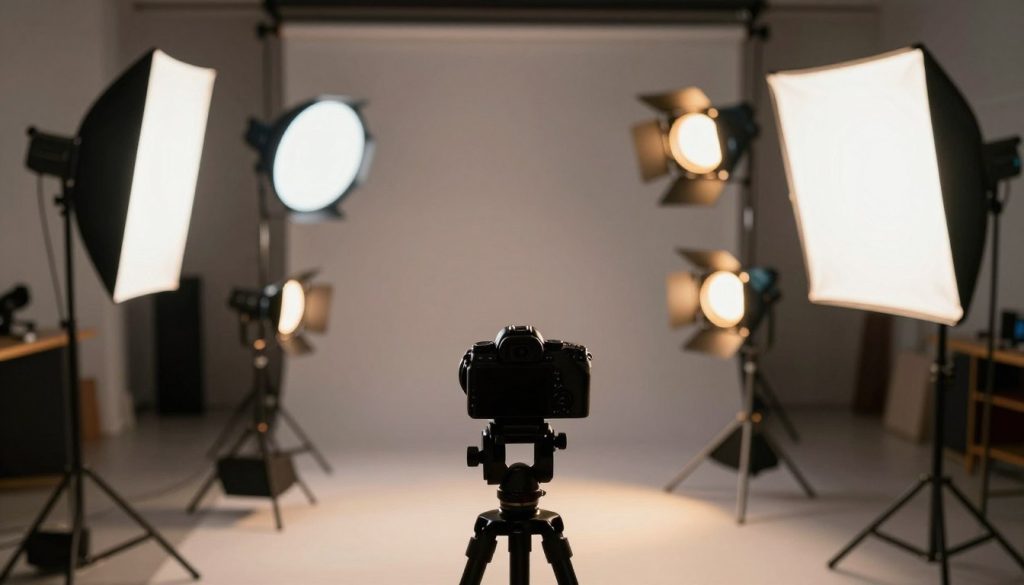
Use high-resolution photos with even lighting to give the model clear detail. Bright, natural light reduces shadows and improves image quality.
Avoid heavy filters or low-res crops. Those often create visual artifacts and lower the output quality.
Clothing Complexity
Simple, fitted clothing yields the best results. Layered or patterned outfits can confuse the model and generate artifacts.
Keep poses standard and the subject visible. Unusual poses make it harder for the engine to interpret anatomy during processing.
- Use clear, well-lit photos to improve image detail.
- Prefer simple clothing to reduce errors in the output.
- Standard poses and visible body contours help with skin texture synthesis.
- Your device and browser performance affect processing speed.
| Requirement | Why it matters | Impact on output |
|---|---|---|
| High resolution | More detail for the model | Sharper, more realistic image |
| Even lighting | Reduces shadows and noise | Fewer artifacts; better image quality |
| Simple clothing | Less model confusion | Cleaner skin synthesis and output quality |
| Standard poses | Easier anatomy mapping | More accurate final images |
Privacy and Data Handling Policies
Carefully reading the privacy statement clarifies how your image data is stored and deleted.
The policy explains encryption and retention. The platform states that your uploaded images and personal data are encrypted to prevent unauthorized access. Encryption helps keep the quality of stored files intact while protecting your information.
The service also removes photos after a set retention period. That deletion policy helps limit how long images remain on company servers and reduces exposure over time.
- Read the policy details to learn how long your image files are stored and whether they can be used for model training.
- Consent is required: the platform forbids generating non-consensual content and expects you to confirm permissions for anyone pictured.
- Advanced encryption and regular audits protect user data and improve trust in handling and output security.
| Aspect | What it means | Why it matters |
|---|---|---|
| Encryption | All uploads are encrypted in transit and at rest | Prevents unauthorized access to your images and personal data |
| Retention | Photos deleted after a stated time window | Limits exposure and reduces long-term storage risk |
| Consent rules | Explicit consent required for people in images | Protects individuals and prevents misuse |
| User rights | Request deletion of account and associated files | Gives you control over your data and future output |
If you have concerns, the policy lists support contacts so you can ask for details or request data removal. Always exercise caution when uploading sensitive photos, and confirm consent for everyone involved.
Ethical Considerations for AI Image Generation
Ethical use of AI tools depends on respecting the rights and dignity of the people in your images.
Consent is the single most important factor. You must obtain clear, explicit consent from anyone who appears in a photo before using it for image generation that alters or creates explicit content.
Creating images explicit in nature without permission violates platform rules and can harm real people. It also risks legal consequences and reputational damage for users.
The Importance of Consent
Always verify written or clearly documented consent before you process images. If you lack permission, do not proceed.
- Consent protects the privacy and dignity of people featured in photos.
- Responsible use reduces the chance of non-consensual output that harms individuals.
- Use the tool only for projects where you hold full rights to the source material.
| Concern | Best Practice | Why it matters |
|---|---|---|
| Consent | Obtain written or verifiable permission | Prevents misuse and legal risk |
| Privacy | Limit sharing and request deletion when needed | Protects people and reduces exposure |
| Ethical review | Pause projects if intent is unclear | Maintains quality and responsible output |
“When in doubt, prioritize the rights and safety of the people involved.”
You are responsible for how you use these tools. Follow guidelines, respect consent, and prioritize privacy to keep your projects ethical and legally sound.
Limitations of the NudifyAI Free Plan
Monthly credit caps limit how many images you can process before you must wait or buy more.
The main constraint is the number of credits awarded each month. That credit system controls how many image conversions you can run and when you must pause.
Advanced features like high-resolution upscaling and custom clothing removal are often reserved for paid tiers.
- The free tier focuses on testing, not professional or bulk workflows.
- Dashboard controls show your remaining credits and any privacy or account limits.
- If you process many photos, pricing options and paid plans give higher limits and faster output.
| Limit | Impact | Why it matters |
|---|---|---|
| Monthly credits | Caps images you can convert | Controls usage and prompts upgrades |
| Advanced options | Restricted access | Limits final quality and clothing edits |
| Throughput | Slower for heavy users | Affects project timelines and expectations |
Understanding these limits helps you plan projects and decide if upgrading is worth it for your needs.
Why Image Quality Matters for Processing
The fidelity of your source image directly shapes the realism and coherence of the generated output.
Clear visuals give the model the data it needs. High-resolution photos let the engine synthesize believable skin texture and contours. NudifyOnline supports UHD up to 8 million pixels, which helps when you need professional image quality.
Good lighting and straightforward poses reduce guesswork. When the subject is easy to read, the model removes clothing with fewer artifacts and better anatomy mapping.
Low-res photos force the AI to invent missing detail. That often lowers output quality and creates visible artifacts. Users who choose sharp, well-composed images see more coherent results.
- Use high-resolution photos with even lighting.
- Prefer simple clothing and clear poses for best mapping.
- Expect fewer artifacts when input quality is strong.
“Investing time in selecting the best photos is the single most effective way to improve processing results.”
| Factor | Why it matters | Impact on output |
|---|---|---|
| Resolution | More pixels give more detail | Sharper, realistic output quality |
| Lighting | Reduces shadows and noise | Fewer artifacts and truer skin tones |
| Clothing complexity | Simple garments ease interpretation | Cleaner removal and better anatomy |
Exploring Alternatives to Dedicated Nudifiers
Alternatives to basic nudify tools often add video and face-swap features for richer results.
DeepSwap is one example that focuses on face-swapping in short video clips. It gives you a different route if you want motion rather than a single image edit.
Many users turn to broader AI porn generators when they need more creative control. These tools can create original characters, keep character consistency, or generate sequences instead of one-off photos.
- Alternatives often support video face swaps, custom character generation, and batch image output.
- Some tools improve artistic control and reduce reliance on editing real photos of people.
- Always research a tool’s privacy rules and data handling before uploading content.
| Tool | Strength | Best for |
|---|---|---|
| DeepSwap | Face-swap video | Short clips and motion edits |
| Broad AI generators | Original character creation | Consistent imagery and artistic control |
| Single-purpose nudify | Quick photo edits | Fast testing of a single image |
Compare features, test output quality, and pick the tool that matches your creative goals and ethical standards.
Understanding the Role of Generative Adversarial Networks
GANs pair two neural networks so the system improves by having one create samples and the other judge them. This back-and-forth trains the engine to perform realistic image generation.
These models learn from millions of images and large pools of labeled data. That training helps the AI reproduce subtle anatomy, lighting, and natural skin textures.
The result is higher visual fidelity for tools like nudify. Even with a single photo or limited input, GANs can infer missing detail and keep output believable.
- Why it matters: GANs boost final quality by reducing artifacts.
- How prompts help: Clear prompts guide generation toward the look you want.
- For users: Knowing the basics helps you pick good source images and realistic expectations.
“Adversarial training is what lets synthetic images look convincingly human.”
| Aspect | Impact | Takeaway |
|---|---|---|
| Training data | Millions of images | Better anatomy and lighting reproduction |
| Adversarial loop | Generator vs. discriminator | Fewer artifacts; more realism |
| Prompts | Guide output | Clear instructions improve results |
Managing Your Expectations for Output Realism
You should plan for mixed results—some images will impress, others may need reworking or different source files.
Image generation tools are powerful, but they are not perfect. The models aim to create plausible photos, yet you may see small artifacts or odd anatomy in the final output.
Quality of the input matters most. High-resolution, well-lit photos with simple poses reduce errors and improve realism. Complex outfits, heavy filters, or low light increase the chance of visible artifacts.
“View AI results as synthetic representations, useful and creative but not identical to real-world photography.”
- Expect occasional artifacts that require another attempt.
- Try different source images if one output looks unnatural.
- Use the tool to explore creative possibilities, not to guarantee perfection.
| Factor | Effect on Output | Recommended Action |
|---|---|---|
| High resolution | Sharper, more believable image | Use original photos at max size |
| Poor lighting | More artifacts and loss of detail | Reshoot or select better-lit images |
| Complex clothing | Model confusion and glitches | Choose simpler garments for testing |
Over time the nudify models improve, but limitations remain. Keep expectations realistic, experiment often, and accept that some outputs will need fine-tuning.
Legal Implications of Synthetic Content
Using AI to create sexualized images of people without consent can carry serious criminal and civil penalties.
Know the law before you generate or share content. Creating non-consensual intimate imagery is illegal in many jurisdictions, including the United States. You face both criminal charges and civil claims if you violate those rules.
You must follow the platform’s policy and local laws. The service expressly forbids using nudify tools to make non-consensual porn or other illegal content.
Always confirm clear, documented consent from any people in your images. That responsibility falls to you, and it is non-negotiable.
- Legal details change fast; stay informed about rules where you live.
- The platform blocks misuse and may terminate accounts that break the policy.
- If you violate laws, expect civil damages and possible criminal prosecution.
“Prioritize the rights and privacy of others; legal risk is real and growing.”
| Risk | What it means | Action you should take |
|---|---|---|
| Criminal liability | Prosecution for creating or distributing non-consensual imagery | Do not create or share intimate images without clear consent |
| Civil claims | Lawsuits for privacy invasion and emotional harm | Obtain written permission and document consent |
| Platform measures | Account suspension or removal for policy violations | Follow the service policy and report misuse |
Tips for Getting the Most Out of Your Credits
Use a short testing loop to identify which photos give the cleanest output before spending credits.
Preview first: use the interface to check results before you download. That saves a credit on any image that misses the mark.
The processing time often runs under 15 seconds, so test several images quickly to find the best source photo. Fast cycles let you learn which features and settings work for your shots.
Plan around your monthly limits. Track your remaining credit and group important work so you keep enough for priority images.
- Adjust settings in small steps to refine output without extra downloads.
- Favor high-quality input photos to raise the chance of a successful edit per credit.
- Review pricing if you regularly hit limits; bundles can be cheaper than single purchases.
- Practice regularly to gain ease and efficiency with the tool and process.
| Action | Why it helps | When to do it |
|---|---|---|
| Preview before download | Saves credits on poor outcomes | Every test |
| Quick tests (under 15s) | Find best photos fast | Initial setup and tuning |
| Monitor credits | Avoid unexpected limits | Before big batches |
| Adjust settings | Improve final quality | After each preview |
“Small, deliberate tests protect credits and improve results.”
When to Consider Upgrading Your Subscription
If you need higher-resolution images or faster turnaround, upgrading is often the clearest route.
Upgrades matter when monthly caps or slower queues begin to slow your creative flow. Premium subscriptions unlock higher output quality and quicker processing so you spend less time waiting and more time refining results.
Advanced features — like video generation, priority support, and the newest models — are usually reserved for paid tiers. For many creators, the time saved and the improved final product justify the cost.

Pricing is competitive. For example, Candy AI starts at $3.99/month, offering an affordable entry if you need more than the basic offering. Review the pricing and options to find the best match for your workflow.
“Upgrade when limits prevent you from achieving the image quality and speed your projects require.”
- Consider upgrading if you process many images or need video features.
- Pick a subscription that balances pricing and the resolution you require.
- Higher tiers often add priority processing and the latest AI updates.
| Need | Entry | Premium |
|---|---|---|
| Resolution | Standard output | High-resolution exports |
| Processing | Queued, slower | Priority, faster |
| Advanced features | Basic edits | Video generation, new models |
| Cost | Low or no monthly fee | Competitive pricing (starts at $3.99) |
Conclusion
Armed with practical tips, you can improve image outcomes while protecting privacy.
This guide, gives you a clear starting point to explore nudify tools and test how they handle images. Use simple, well-lit photos and follow the technical advice to get better results.
Always prioritize consent and privacy when you work with images of real people. Ethical use keeps you on the right side of law and platform rules.
If you need higher quality or speed, consider upgrading for more features. As you gain experience, nudify workflows become faster and more reliable.
We hope this guide helped you navigate the basics and make smart choices for your projects and images.