NudifyAI for Beginners: First Project Walkthrough
Can a single prompt turn your idea into a polished picture that matches your exact vision?
BasedLabs updated its platform documentation on March 9, 2026, and you can use that guide to start creating images with confidence. This platform brings modern technology to your fingertips and shows how an image generator can capture your imagination in seconds.
You will learn how this tool gives you control over style, body type, and mood while respecting consent and privacy. The features let you refine a simple photo into a professional-level image that matches your creative fantasy.
As you begin, remember that every image you craft is shaped by your prompts and choices. The platform is made to help users explore ethical use and keep generated content within respectful boundaries.
Key Takeaways
- BasedLabs updated its platform on March 9, 2026 to help new users navigate the generator.
- The tool turns simple prompts into high-quality photos in seconds.
- You keep control over style, body, and the final picture.
- Features prioritize consent and user privacy while creating adult art.
- The platform helps transform a basic photo into a polished work that reflects your fantasy.
Understanding AI Nude for Beginners
Start by confirming you meet the platform’s age rules and purpose before creating.
You must be at least 18 years of age to access this platform and its tools. This adult-only rule protects people and helps keep creations lawful.
The generator acts as a sophisticated maker of digital art. It turns simple prompts into realistic images and photos that reflect your creative life.
Users find the platform intuitive and fast. The technology lets you explore styles that once required expensive equipment or studio time.
“Modern tools let you shape visual ideas quickly, while staying responsible and within guidelines.”
| Aspect | What it means | Benefit |
|---|---|---|
| Age | 18+ requirement | Legal access and safer community |
| Output | Realistic images and photos | High-quality visual art |
| Experience | Fast, intuitive maker | Quick creative results |
Preparing Your Creative Workspace
Start by creating a secure account so your photos and project files stay under your control.
Setting Up Your Account
Register on the platform with an email you use only for creative projects. This step protects your privacy and keeps generated content secure.
Enable consent and privacy settings right away. The technology lets you manage who can view your photos and how long files remain stored.
After activation, explore available tools that help you tag images, sort projects, and back up important photo files. A tidy workspace speeds up your work and reduces mistakes.
- Use clear folders and consistent names to organize images and projects.
- Set automatic backups to secure adult content and creative drafts.
- Adjust consent controls per project so each piece of content reflects your intent.
“A well-configured account builds a stable foundation for future projects.”
Selecting the Right Models and Styles
Start by picking a model that matches the level of realism or stylization you want.
Choosing Between Realistic and Anime
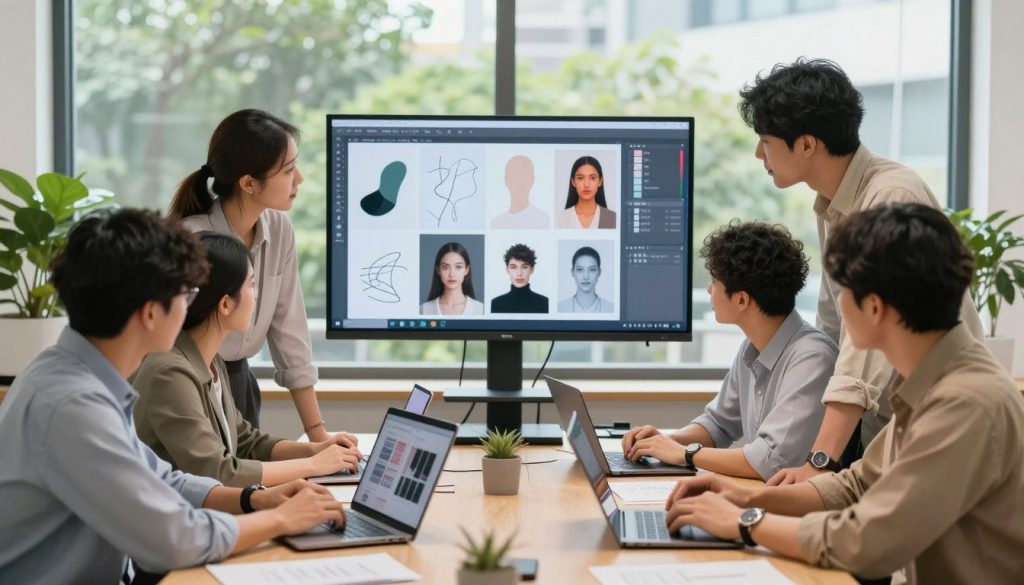
Imagen 4 and Seedream 4 are built for high-quality, photorealistic output. Choose them when you need skin detail, natural light, and lifelike photos.
Hunyuan Image 3.0 leans toward stylized work. It gives more freedom to shape fantasy art and anime images while keeping precise body type controls.
Understanding Model Capabilities
Selecting the right model is crucial. Each engine renders texture, shadow, and pose differently. You act as the maker when you match model strengths to your picture goals.
Experiment with short test prompts and a range of poses to find the best composition. This process helps you refine quality and ensure consistent results across sessions.
- Use Imagen 4 or Seedream 4 for realistic skin texture and complex lighting.
- Pick Hunyuan Image 3.0 when you want stylized art and precise body type adjustments.
- Try multiple poses to perfect composition and meet your aesthetic needs.
“Knowing model strengths saves time and improves final image quality.”
| Model | Best use | Strength |
|---|---|---|
| Imagen 4 | Photorealistic photos | High detail, skin texture |
| Seedream 4 | Realistic image generation | Lighting and natural poses |
| Hunyuan Image 3.0 | Stylized art and anime images | Flexible style control and body type tweaks |
Crafting Effective Prompts for Better Results
Clear, specific prompts steer the generator toward the visuals you imagine and improve final results.
Start each prompt with the core subject and the mood you want. Say whether the image should feel warm, dramatic, or soft. Add a camera angle — like overhead, three-quarter, or eye level — and a lighting setup such as golden hour, soft window light, or high contrast.
Be specific about expression and motion. Mention a relaxed smile, intense gaze, or subtle movement. Those cues help the image generation reflect emotion and intent.
Refine prompts over a few short iterations. Tweak one element at a time: swap lighting, change focal length, or adjust pose. That steady approach yields better images and cleaner results.
“The more vivid your text input, the better the tool will perform when producing visuals that match your fantasy.”
- Include lighting, angle, and expression in every prompt.
- Describe texture and color to improve realism in an image.
- Iterate quickly and save prompt variants that work well.
Managing Body Types and Poses
Small adjustments to shape and stance let you match a subject to the mood and style you want.
Using Body Sliders
You can change proportions with body sliders to match a specific body type. Move sliders slowly and preview each change.
Using sliders and pose controls lets you shape the final photo to match your vision. This keeps images consistent across a series of work.
- Fine-tune waist, shoulder, and limb proportions for anatomical accuracy.
- Save slider presets when you find a trusted body type for repeat projects.
- Combine sliders with prompt tweaks to keep style and fantasy coherent.
Adjusting Camera Angles
Angle changes alter how curves, depth, and light read in an image. Try eye level, three-quarter, and overhead views to find the best composition.
“A slight tilt in camera angle can make a picture feel more dynamic and truthful.”
Implementing Pose Controls
Pose controls let you set limb positions, balance, and weight distribution. Start with simple poses, then add subtle motion to convey intent.
Careful prompts and controlled poses ensure each picture is visually striking and anatomically sound.
Ensuring Privacy and Ethical Use
Protecting your privacy and the rights of others is a core part of the platform’s design.
Your projects remain private. The maker stores your files in a private workspace and limits access to your data unless you give explicit permission.
The platform enforces age checks and consent rules before you can create adult content. You must confirm age and obtain consent when you use the generator to produce photos or images of real people.
Strict safety filters block illegal content automatically. The tool also uses human review when needed to protect users and the integrity of the platform.

“Ethical practice and strong privacy controls let you explore creativity without risking personal exposure.”
- Keep consent records with each project to show permissions for people in your photos.
- Enable available privacy settings to control sharing and retention of content.
- Report violations or suspected illegal content immediately to platform support.
| Topic | What the platform does | Why it matters |
|---|---|---|
| Privacy & data | Private workspace and controlled access | Protects your sensitive files and personal data |
| Consent | Mandatory consent checks and records | Ensures legal and ethical use of images |
| Safety | Automated blocks plus human review | Prevents illegal content and keeps users safe |
| Age verification | Strict 18+ enforcement | Protects people and complies with law |
Refining Your Visual Output
Polishing a render is the final step that turns a draft into a finished picture.
Post-Generation Adjustments
Post-generation tools put control back in your hands so the final image matches your intent.
Make quick edits in seconds. Use masks and sampler settings to refine skin texture, edges, and lighting. These tweaks fix small artifacts and improve overall quality without rerunning a full generation.
Apply local corrections to enhance body rendering and preserve natural anatomy. Change contrast, adjust color grading, or nudge pose details to match your chosen style.
“A short round of post-processing often yields professional results with minimal time.”
- Use masks to protect areas and sharpen or soften details.
- Adjust sampler settings to reduce noise and smooth transitions.
- Save presets so repeat projects keep consistent styles.
| Action | When to use | Benefit |
|---|---|---|
| Mask edits | After initial render | Targeted corrections, natural visuals |
| Sampler tweaks | To reduce artifacts | Smoother texture and higher quality |
| Color & lighting | Final pass | Consistent mood and polished photos |
Exploring Advanced Editing Features
With manual brushes and layer controls, you can refine a generated image until it matches your exact vision.
Advanced editing features give you precise control over final photos. Use brushes to highlight clothing areas or add fine detail to a photo that the generator left coarse.
These tools help you tune texture, edge clarity, and body contours. Small strokes can raise quality and make images feel handcrafted.
“Manual edits let a maker turn a fast render into deliberate art without losing the original mood.”
- Brushes let you emphasize or hide details on specific parts of the image.
- Layered edits preserve the original image while you test changes in seconds.
- Manage data and consent settings so your content stays private and compliant.
| Feature | What it does | Why it matters |
|---|---|---|
| Precision brushes | Targeted highlights and corrections | Improves realism and artistic detail |
| Layer control | Non-destructive edits | Safe experimentation without data loss |
| Consent & privacy toggles | Project-level permissions | Protects people and legal compliance |
| Fast preview | Apply changes in seconds | Speeds workflow and creative iteration |
Conclusion
Close each project with a short checklist so you can replicate successful results later.
, Mastering this generator takes both technical skill and creative choices.
You learned how to pick models, craft strong prompts, and protect privacy while you work.
Remember that the final image reflects your edits and how you refine inputs. Use the platform’s advanced tools to polish texture, light, and pose.
Keep experimenting with styles and poses to grow your skills. With practice, you will gain confidence to start more ambitious projects and expand what this generator can do.