How Fast Is NudifyAI? Queue & Render Benchmarks
Can a single platform really give you pro-level results without making you wait?
You need clear numbers when you plan content creation or digital art work. BasedLabs updated documentation on March 9, 2026, and those benchmarks matter for users who value both quality and quick generation.
The platform blends advanced models like Imagen 4 and Seedream 4 to balance resolution, lighting, and body control. This lets the tool produce realistic characters and photo-grade outputs for images, videos, and art projects.
When you feed images text prompts or detailed text prompts, the system adapts styles and settings to match your vision. Privacy and consent remain core features, so your character creation and people imagery stay protected throughout the workflow.
Key Takeaways
- Benchmarks from March 2026 show improved queue and render performance on the platform.
- Advanced models balance resolution, lighting, and body parameters for realistic outputs.
- Optimizing images text prompts improves generation results and overall capabilities.
- Privacy and consent are built in, protecting character and people imagery during creation.
- Complex text prompts and chosen styles influence how fast the tool delivers results.
Understanding AI Nude Generator Speed and Performance
Today’s image platforms pair robust models with streamlined controls so you get consistent visuals quickly. You benefit when an interface lets you tweak lighting, body type, and style without guessing how each change affects final content.
Candy.ai and OurDream.ai set the bar for polished editors that blend conversational prompts with batch image generation. These platforms show how a refined tool can reduce wait times while keeping photo-grade quality.
Consider how the model reads complex text prompts. Better handling of nuance produces adult-themed imagery and character detail with fewer revisions. That saves time during creation and keeps your workflow efficient.
Many modern tools also support video and photo processing, letting you test visuals across stills and videos. Always secure explicit consent from people featured in your imagery to meet ethical and legal standards.
- Adjust lighting and body control for predictable photo results.
- Pick styles and features that match your content goals.
- Use platforms known for stable generation to cut iteration time.
Factors Influencing Generation Latency
Generation latency comes down to two practical areas you can watch: your network and the platform load. Small shifts in connectivity or traffic can change how long an image or video task takes.
Network Latency and Connectivity
When your connection lags, the tool takes longer to receive text and image data. That delay affects how fast the generator starts rendering.
Secure connections matter more when you handle adult-themed or private content. A stable link also reduces retries that add to overall wait time.
Server Load and Concurrent User Traffic
High numbers of users can push queue times up. Platforms processing many high-resolution videos or complex art assets need more CPU and memory per job.
If you work on character sets or batches of images, expect variable generation times during peak hours. Pick tools with clear status pages and good infrastructure.
- Tip: Obtain consent before submitting people-based content.
- Tip: Test smaller images to verify platform reliability before large renders.
Benchmarking Queue Times for Popular Platforms
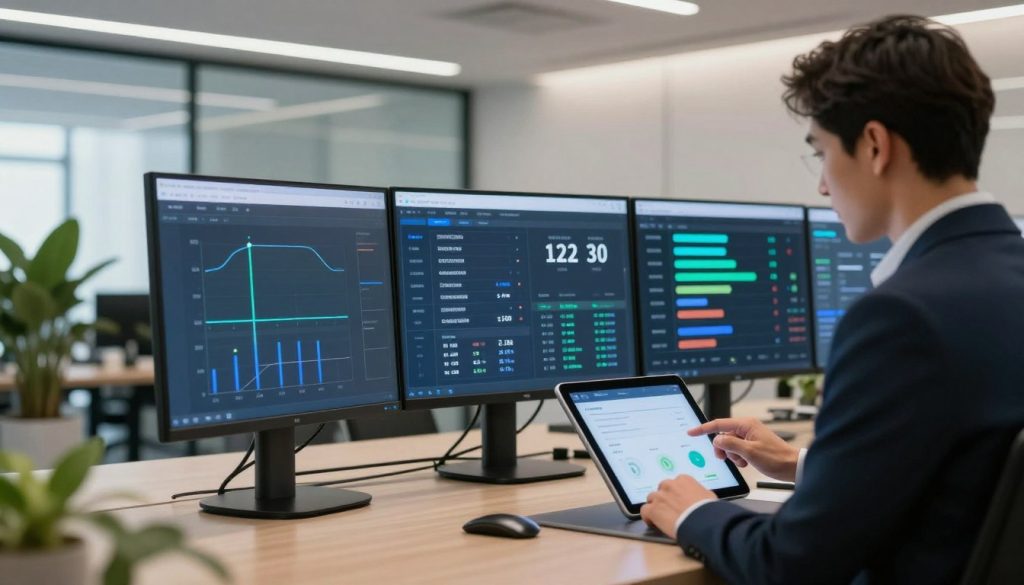
Measuring queue behavior across platforms gives you a clear view of how long jobs wait before rendering.
Joi.com and similar services use advanced queue controls so you can prioritize your most important image and video tasks.
Why this matters: benchmarking a generator shows which platforms keep images moving during peak demand. That helps you plan content calendars and batch work more reliably.
Queue Management Strategies
Good platforms surface queue status and let you pause or promote jobs. You can test small images first to confirm throughput. Monitor queues during busy hours and adjust uploads accordingly.
| Platform | Queue Priority | Batch Handling | Notes |
|---|---|---|---|
| Joi.com | Tiered (user priority) | Yes, images and video | Good for large content runs |
| Platform B | FIFO | Limited batch | Stable under medium load |
| Platform C | Subscription priority | Yes | Favors paid users |
| Platform D | Dynamic | Yes, art and images | Best for on-demand jobs |
- Track queues to plan deadlines and avoid surprises.
- Ensure consent when submitting people-based or adult content.
- Compare tools to find the right mix of throughput and quality.
Rendering Efficiency and Hardware Requirements
High-performance models demand matching hardware to keep render times predictable and results crisp. Hunyuan Image 3.0 is one such model: it gives excellent detail but asks for powerful GPUs and ample memory to maintain high resolution.
When you generate images or video, the system must process complex lighting and body parameters. That work affects how fast a job finishes and how accurate your characters and photo-style outputs look.
Many platforms let you tweak rendering settings so you can balance quality and throughput. Use lower resolution or simplified lighting during tests, then raise settings for final runs to save time.
- Plan hardware: match GPU and RAM to the model you pick.
- Optimize settings: tweak body and character controls for faster generation.
- Consistent styles: pick models that handle multiple styles without losing visual fidelity.
For high-resolution photo assets, confirm your workstation or chosen platform can handle the load. That keeps your workflow uninterrupted and helps you deliver polished images and videos on schedule.
Comparing Realism Against Processing Speed
When you push for photo-level detail, the system must work harder to nail lighting and anatomy. That trade-off shows up in both queue time and render work. You should weigh realism against how quickly you need final images or video outputs.
Photorealism Trade-offs
Achieving high realism often increases processing time. The model calculates fine lighting, skin texture, and body position for each image.
Result: longer renders but richer photo-grade outputs. This is common when you need life-like characters in adult-themed or portrait work.
Stylized Model Speed
Stylized models reduce detail and compute less per frame. That makes batch generation faster and iteration simpler.
Use stylized styles when you want quick art or concept runs. You may trade some realism for faster turnaround and lower cost.
Resolution Impact on Output Time
Resolution is a main determinant of render time. Higher pixels mean longer processing and bigger memory use.
For fast tests, lower resolution. For final photo results, pick higher resolution and allow more time.
| Factor | Effect on Time | When to Pick |
|---|---|---|
| Photorealism | High — more compute for lighting and body detail | Final photo assets or character close-ups |
| Stylized | Low — simplified textures and lighting | Concept art, rapid iteration, batch images |
| Resolution | Variable — linear rise in render time with pixels | Test low, finalize high for production |
- Adjust text prompts to limit unnecessary complexity for faster generation.
- Test different styles to balance how fast tools deliver versus realism.
- Always review outputs to confirm imagery meets your quality standards.
Optimizing Your Prompts for Faster Results
Clear, focused prompts cut iterations and help you get usable images faster.
When you generate images, keep instructions concise. Name the main subject, desired style, and lighting in one short line.
Specify character traits such as pose or mood rather than long, wandering descriptions. That guides the tool to prioritize what matters.

Test brief variations. Many users find that refining their text prompts speeds up generation and yields better results for adult-themed art or portraits.
- Use precise style keywords (e.g., film noir, studio portrait).
- Limit contradictory terms that add compute and time.
- Start with lower resolution for fast checks, then finalize at full size.
| Prompt Tip | Why It Helps | When to Use |
|---|---|---|
| One-line summary | Reduces ambiguity | Quick concept tests |
| Focused lighting keyword | Speeds render decisions | Portraits and video frames |
| Simplified style | Lower compute per image | Batch runs and drafts |
Practice prompt engineering. Small tweaks save time and improve consistency across images and video. Keep testing until you find the phrasing that delivers reliable results for your character work.
Privacy Considerations During High-Speed Generation
A rapid generation workflow can expose sensitive files unless the platform enforces strict controls.
Privacy matters most when you produce adult or portrait content at scale. Fast output is useful but it raises real risks for your images and project files.
Secure Export Protocols
Check export methods: prefer end-to-end encryption and secure links that expire. That reduces the chance of unauthorized downloads.
Many modern platforms include granular access controls and audit logs. Use those features to limit who can view, download, or share your content.
“Obtain explicit consent before uploading people-based material—this protects subjects and your reputation.”
- Verify the platform privacy policy before you commit to professional content creation.
- Store sensitive files in private projects and enable download restrictions.
- Keep minimal identifying data when you upload; only include what is necessary.
Final note: by prioritizing privacy and consent, you keep the benefits of fast generation while protecting people and your work.
Evaluating Model Performance Across Different Tools
Side-by-side tests of model outputs show where each tool excels in photo-quality and character fidelity.
You should compare platforms like Swipey.ai and Luvr AI to find the best fit for your projects. Run the same prompt and check how each model handles complex body types and subtle face details.
Look for consistency: reliable generation across batches reduces rework when you produce many images or videos.
Pay attention to community feedback. Other people often share real-world results that reveal quirks and strengths.
| Platform | Strength | Best for | Notes |
|---|---|---|---|
| Swipey.ai | Character discovery | Portraits, concept art | Good fidelity on diverse body types |
| Luvr AI | Stylistic control | Photo-style and video frames | Strong visuals, steady generation |
| Platform X | Batch handling | Large-scale runs | Consistent results under load |
- Test multiple tools for the specific style you need.
- Compare final results for photo and art tasks before committing.
- Choose the platform that balances visuals, quality, and capabilities for your workflow.
Conclusion
Prioritize privacy and consent, when you work with adult or nude character content. Keep your process clear so you protect people and your reputation.
Wrapping up, knowing how tools perform lets you plan projects with fewer surprises. Test platforms, compare results, and pick ones that match your needs for quality and throughput.
Tip: refine prompts and run small checks first. This saves time and keeps final content consistent for users and clients.
Stay current on features and security. With the right approach, these tools help you create strong character work while keeping privacy and consent front and center.