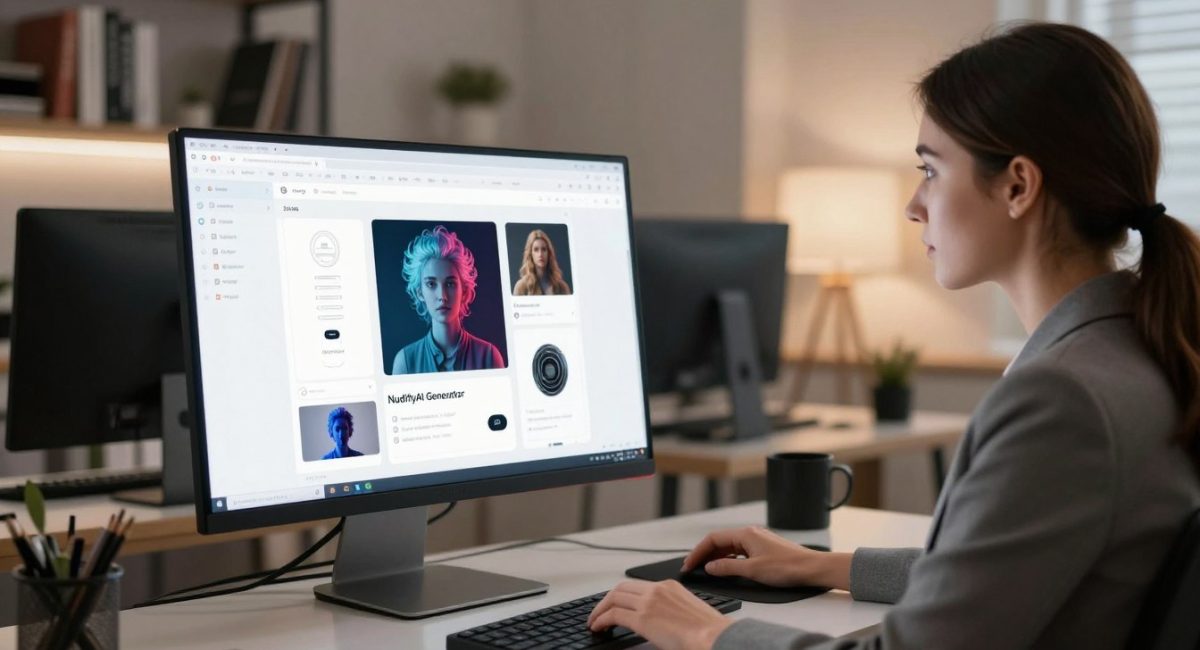
NudifyAI AI Nude Generator: Complete Beginner’s Guide (2026)
Curious how a tool can change the way you create and edit photos? You’ll find that the NudifyAI AI nude generator marks a clear shift in digital content tools and user expectations.
You want a safe, simple way to test nudify online features without hidden fees. Many sites advertise as completely free but hide costs behind sign-ups or subscriptions. You should learn how to spot reputable services before you start.
Start here to understand the essentials: what a nudify free workflow looks like, how to balance ease of use with power, and what to watch for in terms of privacy and safety. This guide favors clear steps so you can make informed choices quickly.
Key Takeaways
- Know the claims: Not every service that says “completely free” truly is.
- Check safety: Verify privacy and reputation before use.
- Balance ease and control: Look for tools that fit your skill level.
- Start small: Test features with non-sensitive content first.
- Choose wisely: The right platform makes the process efficient and accessible.
Understanding the NudifyAI AI Nude Generator Technology
Modern visual tools learn anatomy from huge datasets to recreate lifelike images and videos. This section explains how models handle body shapes, lighting, and texture so you can get predictable results.
How AI Models Process Anatomy
Models train on millions of photos to map proportions and pose. They predict how a body will look under specific light and angle.
Result: more realistic renders that keep faces and limbs proportionate.
The Role of Text Prompts and Image Uploads
You can start with plain prompts or upload a reference image. Combining text plus an image gives the platform clearer direction for final content.
Pro tools let you fine-tune style, pose, or the level of nudification while keeping characters consistent across frames or a short video.
“Understanding the pipeline helps you control quality and maintain ethical use.”
| Input Type | Strength | Best For |
|---|---|---|
| Text prompt | Flexible | Concept ideas, quick generation |
| Image upload | Accurate | Preserving identity and pose |
| Text + Image | Control | Consistent nsfw image video or stills |
| Batch inputs | Efficient | Multiple characters or scenes |
Getting Started with Your First Image Generation
Start by signing up on a trusted platform that offers trial credits so you can test features risk-free.
Create an account to claim a free trial or initial credits from the service. This gives you a safe space to explore without paying upfront.
Once registered, upload a photo or enter a text prompt to begin image and video generation. Using both a reference photo and clear prompts helps models produce better images and consistent characters.
Manage your credits — a reputable generator shows how many credits each operation costs. That helps you try NSFW edits or an adult image video without overspending.
- Test non-sensitive content first to learn the tool flow.
- Refine prompts to improve results for specific characters and poses.
- Look for platforms that offer a free nudify tier or a completely free trial if you only want a short test.
“Verify the terms of service and safety rules before you upload any images or videos.”
Essential Features for High Quality Results
Quality starts with how well the platform lets you direct style, lighting, and pose. Good controls make the difference between a rough draft and a finished image.
Controlling Style and Poses
Use style sliders and pose presets to get consistent results fast. Fine controls let you pick tension, angle, and expression for each photo or video.
Tip: Lock lighting and texture settings when you test a new character to avoid unwanted shifts.
Maintaining Character Consistency
When you make multiple images or videos, consistency keeps body type and facial traits uniform. Save character presets and reuse them across sessions.
Benefit: Consistent characters reduce rework and save credits.
Upscaling and Resolution Settings
Adjust resolution to match your intended use. Higher resolution improves print and close-up crops but costs more credits.
Many platforms offer upscaling as a paid feature to boost final quality without re-generating the base image or video.
“Set sensible limits on generation parameters to protect credits and achieve predictable results.”
| Feature | Why it matters | When to use |
|---|---|---|
| Style & pose controls | Directs final look and body positioning | Every generation for consistent quality |
| Character presets | Maintains uniform body and face traits | Series of images or videos |
| Resolution/upscaling | Improves clarity and detail | Final exports, prints, close crops |
| Credit management | Controls costs for high-quality results | When testing high-res or multiple revisions |
Navigating Privacy and Ethical Considerations
Protecting personal data starts with knowing what the platform keeps and what it deletes. Before you upload an image or video, check the platform’s privacy policy and terms of service. That simple step can prevent surprises later.
Protecting Your Personal Data
Never upload a photo of a real person without their explicit consent. Consent is the legal and ethical baseline for responsible use of any photo editor or nudify service.
Many platforms store uploads for improvement or backup. Read how long images and videos are retained and whether the platform shares data with third parties.
Use a secure tool that promises not to distribute your content. Check whether the service logs activity, and see how credits are handled to spot hidden records of generation or edits.
“Respect the rights of others and avoid creating or sharing content that harms or harasses anyone.”
- Pick platforms that state they delete sensitive photos after processing.
- Limit uploads to test images until you trust a service.
- Keep records of consent when you work with real people or characters.
Final tip: prioritize platforms with clear privacy controls and transparent data practices. That keeps your images, videos, and characters under your control while you explore generation tools.
Risks Associated with Modern Undress Apps
When apps can digitally strip clothing from photos, the privacy stakes rise fast.
Research shows scale and harm. The Tech Transparency Project found 55 apps in Google Play and 47 in the Apple App Store that can undress people. Popular tools like DreamFace and RemakeFace have millions of downloads.
That reach matters. DreamFace tops 10 million downloads. RemakeFace saw 5.5 million since 2024. Collart earned over $2 million. Apple and Google collected about $117 million from these apps.
“Even small apps can risk privacy or create non-consensual image and video content.”
These facts point to clear risks for you and others:
- Non-consensual images and videos threaten reputation and safety.
- Platforms can store uploads; retention policies vary widely.
- Monetization incentives mean more features and faster nudification tools.
| App | Downloads / Revenue | Risk Level | Notes |
|---|---|---|---|
| DreamFace | 10M+ downloads | High | Wide use; large user base increases non-consensual outputs |
| RemakeFace | 5.5M downloads | High | Face-swap tech often used for harmful image creation |
| Collart | $2M revenue | High | Direct nudification feature; commercial demand |
| WonderSnap / Bodiva | $50k revenue / launched Feb 2025 | Medium | Smaller apps still pose privacy and safety threats |
Practical steps: limit uploads, check platform policies, and never use images of people without clear consent. Monitor credits and outputs on any tool or video generator you try.
How to Select the Best Platform for Your Needs
Find a service that puts privacy first while still offering powerful editing tools. Start by reading the platform’s policy on removal of clothes and adult content. Clear rules help you avoid surprises and legal risks.
Try before you buy. A reliable tool will offer a free trial or demo so you can test features without committing to an account. Use the trial to check export quality, credit costs, and safety controls.
Check whether the platform lets you upload your own photos or prefers generating new characters. Upload options are useful, but they increase responsibility. Platforms that emphasize character creation may reduce the risk of non-consensual undress.
- Transparency: Confirm data retention and sharing rules for photos and edits.
- Balance: Pick a platform that pairs creative freedom with strict safety protocols for users.
- Caution: If you seek a completely free nudify or free nudify tier, verify privacy protections carefully.
“Compare tools side-by-side to find a service that meets your creative needs and protects contributors.”
Conclusion
Your creative freedom grows when you choose apps with clear safety rules and strong privacy. Pick tools that let you experiment while protecting identity and consent. This helps you produce better content without exposing others or yourself.
Stay informed about risks in the market. New features and rising use mean privacy practices can change. Keep reading policies and updates before you upload images or try advanced edits.
Prioritize reputation. Use a reputable platform that values user consent and secures personal data. By following the guidelines in this guide, you can explore visual tools responsibly and with confidence.