NudifyAI Interface Explained Panel by Panel
Curious how each panel shapes your image and video results on this platform?
You’ll get a clear, panel-by-panel guide that shows how the platform turns a prompt into art in seconds. This overview highlights the core features, from prompt maker and model choices to diffusion algorithms and media processing.
The update on 12 March 2026 added new algorithms and improved settings for photo and video creation. You will learn how to control privacy and manage content while exploring styles, poses, and camera options for different types and models.
By the end of this short intro, you’ll know which panels matter most and what steps to take to expand your creativity using the platform’s tools.
Key Takeaways
- You will understand major panels and their role in image and video creation.
- The March 12, 2026 update brought advanced diffusion algorithms for better results.
- Privacy controls and content settings let you manage your work and data.
- The prompt maker expands the range of styles, poses, and camera settings.
- Mastering panels reduces processing time and improves consistent outputs.
Understanding the NudifyAI Interface
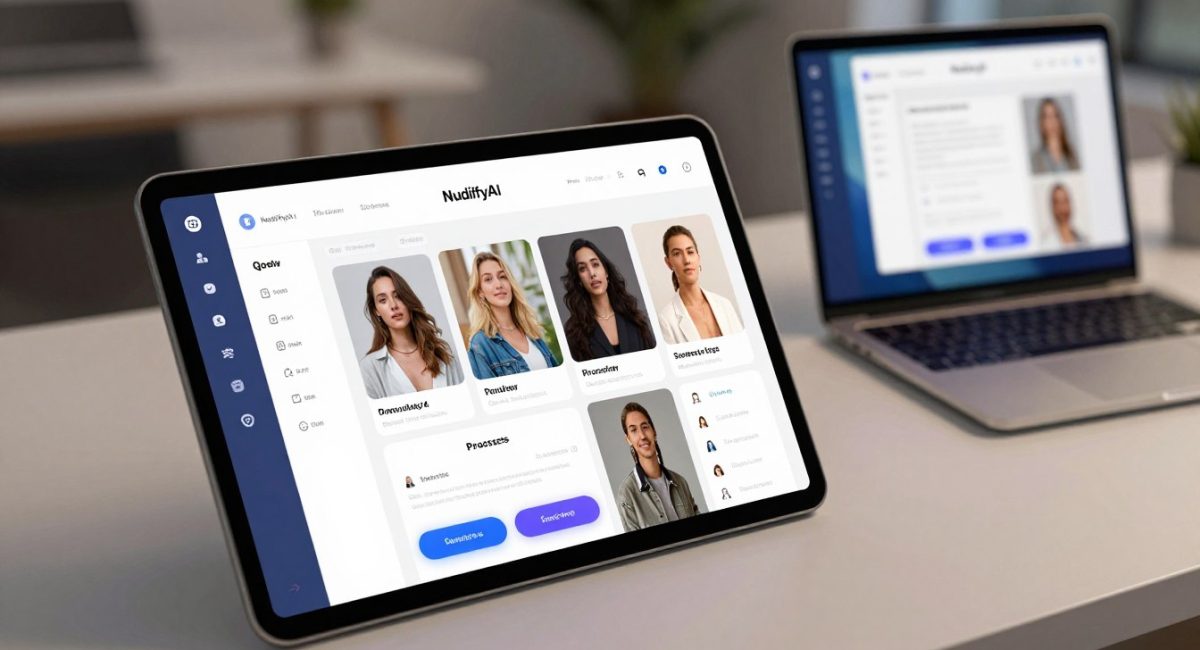
The interface puts all controls within reach so you can shape each image and video output without hunting through menus. Key features are grouped into panels that match common tasks, so you stay focused on creative choices.
Advanced technology runs in the background to manage high-resolution media processing. This keeps your photos and art sharp while cutting render time.
Navigation is straightforward. You can sort images and videos into folders, find recent projects, and reopen prior work in seconds.
- Organized workspace: folders for long-term projects and quick access.
- Real-time feedback: preview a photo or image and tweak settings before final export.
- Intuitive controls: sliders and toggles for each media parameter.
For users who want speed and control, the dashboard reduces steps and gives clear results. You can polish each image or short video while keeping the creative flow intact.
Selecting the Right AI Nude Generator Tutorial Platform
Picking the right platform makes a big difference in the quality and ease of image and video creation.
You want a platform that matches your goals and privacy needs. Premium services often deliver sharper images and faster video generation. Free tools can help you learn the basics before you invest.
Comparing Premium vs Free Tools
Candy.ai is known for premium features and high-quality image and video output. It suits users who want polished photos and advanced control.
OurDream.ai combines chat, image generation, and video simulation in one tool. It works well if you prefer an all-in-one platform for art and clips.
Evaluating Feature Sets
- Check resolution and export options for final images and photos.
- Compare moderation and privacy controls to protect your content.
- Review supported styles, models, and additional features for video work.
“Match the platform’s features to your project needs; better tech often means better quality and fewer edits.”
| Platform | Strengths | Good For |
|---|---|---|
| Candy.ai | High quality images, strong video options | Professional projects, high-res photos |
| OurDream.ai | Unified chat, image and video simulation | Exploratory users, mixed-media creation |
| Free tools | Low cost, easy entry | Learning, quick tests |
Navigating the Primary Control Panels
Primary panels organize the flow from prompt to preview, making it simple to set up the exact type of media you want.
Understanding Input and Output Windows
The input window is the first step where you enter your text prompt and select the desired type of output. Use the prompt field to tell the platform what kind of image, photo, or short video you need.
You can pick a single photo, a series of images, or a short video. The interface gives specific tools to tweak resolution, style, and other features before generation.
As you refine prompts, the output window updates in real time. This live preview shows how your choices affect the final photo and videos. It helps you iterate fast and lock in the right look.
- The input window captures text and settings for the next step.
- The output window displays results so you can compare images instantly.
- Use the toolset to refine quality and control content specifics.
Tip: Clear, focused prompts give better image generation and reduce wasted steps.
Mastering Prompt Engineering for High Quality Results
Clear, deliberate text prompts bridge your imagination and the final photo or video. This step matters more than tweaking settings later.
Crafting Descriptive Text Prompts
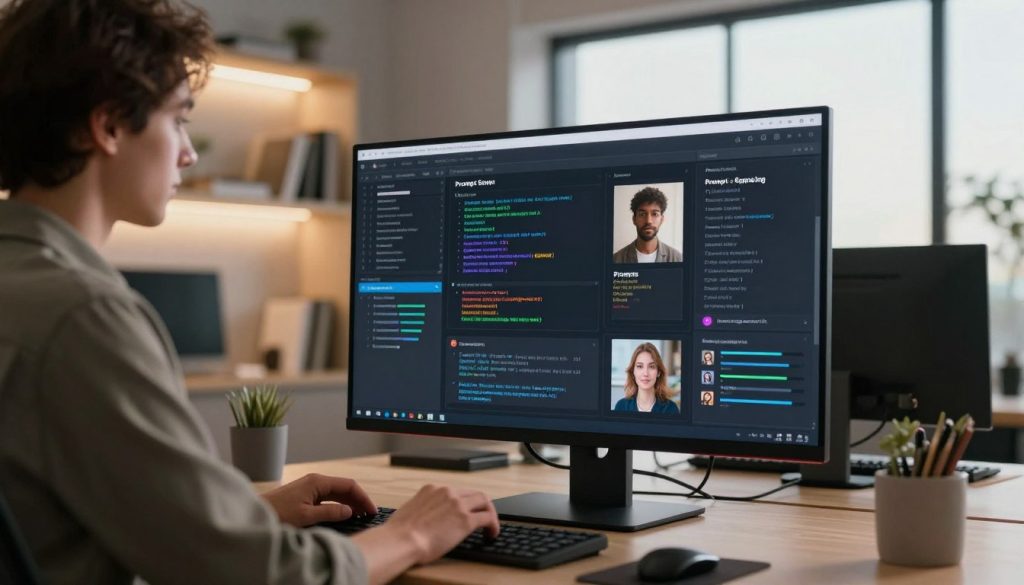
Write short, specific lines that describe subject, style, and mood. Name the pose, clothing or lack of it, and the intended art styles. Keep each sentence focused so the platform reads your prompt without ambiguity.
Defining Lighting and Camera Angles
Specify light direction, intensity, and color to shape depth. Add camera terms like “wide angle,” “close-up,” or “overhead” so the output matches the photo you imagine. These details drive better image and images quality.
Setting Emotional Expressions
Include emotional cues—subtle smile, tense gaze, or relaxed posture—to get natural results. Describe micro-expressions and poses to improve realism in videos and still photos.
- Tip: Combine pose, lighting, and model style in one short prompt for faster, higher-quality results.
- Try variations: Experiment with styles and models to boost creativity and refine features.
“Mastering prompt engineering is the critical step that expands your imagination into usable content.”
Adjusting Advanced Model and Style Settings
Advanced model choices let you dial in texture, light, and pose for more lifelike results.
Select models like Imagen 4 or Seedream 4 when you need natural skin textures and realistic lighting in your images and photos. These models improve the final image quality and reduce extra edits.
Use Hunyuan Image 3.0 as a flexible tool inside the editor to tweak features, mix styles, and refine color balance. The platform’s style controls let you combine looks so your art and images stand out.
Tip: Pick the model first, then tune style sliders for consistent results across projects.
“Mixing advanced models and style tools gives you the control to produce consistent, high-quality images.”
| Setting | Best For | Outcome |
|---|---|---|
| Imagen 4 | Natural skin & lighting | Realistic photos |
| Seedream 4 | Soft texture & tone | Warm, lifelike images |
| Hunyuan Image 3.0 | Style mixing & fine edits | Custom art and consistent quality |
Managing Privacy and Consent in Your Workflow
Privacy and consent are built into the workflow so you can manage sensitive projects safely.
Securing Your Personal Data and Exports
BasedLabs enforces strict safety measures for 18+ content to keep your projects private and secure. You control consent settings before generation and at export.
Protecting your data is a top priority when using nude generator tools. Advanced diffusion algorithms help keep processing secure and compliant with consent standards.
- You can lock downloads to prevent unauthorized access to images and video exports.
- Review consent toggles for each project to maintain control over personal content.
- Audit logs show who accessed or exported media so you can track usage.
“Follow platform safety protocols to ensure your interaction with the technology remains private and secure.”
| Feature | What it does | Why it matters |
|---|---|---|
| Consent Controls | Require explicit approval for 18+ projects | Protects creators and subjects |
| Export Locks | Restricts downloads and sharing | Prevents leaks of sensitive media |
| Secure Processing | Encrypted processing with diffusion algorithms | Safeguards data during transformation |
Exporting and Refining Your Digital Creations
When your edits are ready, the platform makes exporting polished files fast and simple.
You can export final images and videos in high-resolution PNG or JPG formats within seconds of generation. This keeps your photo and art files crisp for prints, web, or social use.
The editor gives a suite of tools to adjust poses, styles, and fine settings before you export. Use the maker feature to save presets so future image generation yields consistent results.
- Export fast in PNG/JPG for best image quality.
- Use saved presets from the maker to repeat a style or pose.
- Combine text prompts with advanced models to bring your imagination into photos and pictures.
“Downloading the final picture gives you full ownership of the content you created.”
| Format | Best For | Settings to Check |
|---|---|---|
| PNG | Lossless images, print | Resolution, color profile |
| JPG | Web and fast sharing | Compression, quality slider |
| MP4 | Short video exports | Frame rate, bitrate |
Conclusion
strong, Wrap up your workflow by focusing on the core controls that drive consistent, high-quality output.
You can produce polished video and crisp art by applying the panel tips and saving reliable presets. Keep your steps simple: pick the right model, set lighting, and use clear prompts.
Always center consent and privacy when working on sensitive projects. That protects subjects and keeps your work compliant.
As tools evolve, your ability to shape new video and unique styles will grow. Use the platform regularly to build skills and repeatable processes.
With these final points, you should feel confident to explore, create, and export media with control and care.