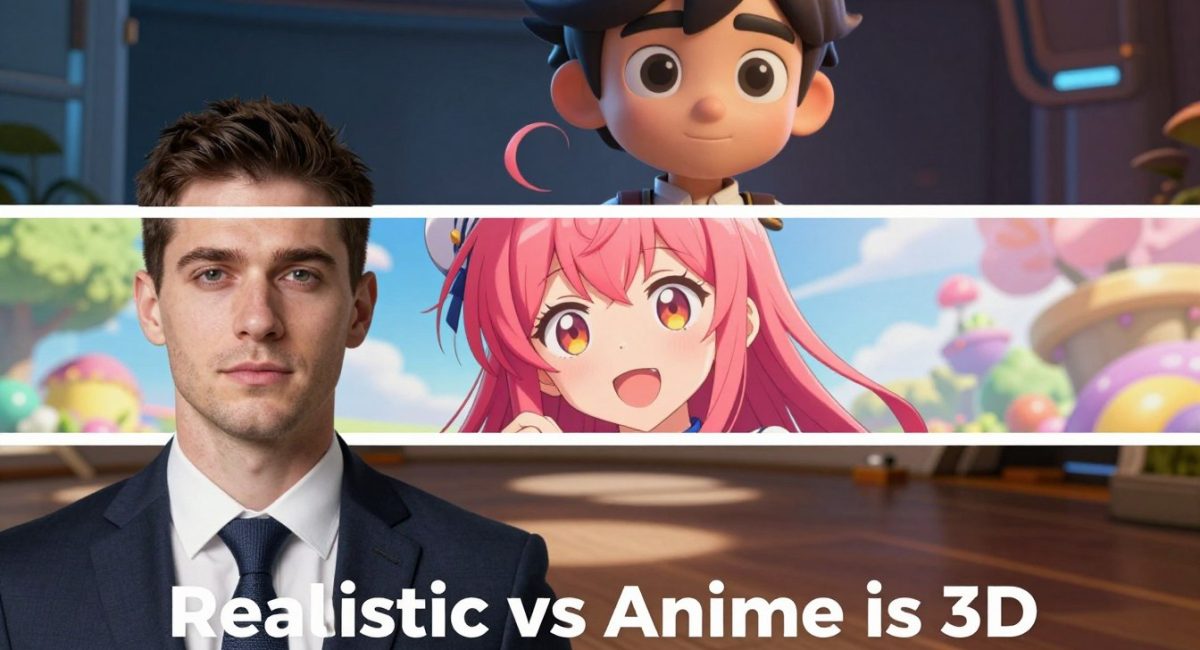
Realistic vs Anime vs 3D: Which Style to Pick on NudifyAI?
Curious which look gives you the best results in seconds — realistic, anime, or 3D?
You upload a photo, pick a model, and wait for the generator to process the image. In that short span, the chosen option shapes the final output, from face details to body lines.
Choosing the right option matters for quality, privacy, and the overall experience. Some platforms focus on fast processing and subscription plans. Others give deep customization and clearer documentation on image handling.
In this guide you will learn how each approach affects results, what features to check, and how to balance cost with output. You’ll also see which generators and platforms give the best adult images and what to watch for in terms of privacy and rights.
Key Takeaways
- Pick the option that matches your goal: realism, cartoonish visuals, or 3D depth.
- Check privacy policies and how the tool handles image processing.
- Compare features, subscription plans, and credit systems before you commit.
- Ensure you have rights to any photo or body reference you upload.
- Quality and customization vary by model and platform — test with sample photos.
Understanding the Appeal of AI Nude Style Comparison
A different generator can turn the same input into distinct adult images. This is why an ai nude style comparison makes sense before you buy credits or a subscription.
These generators use advanced models to translate text or a photo into final output. That processing affects skin texture, lighting, and overall quality.
Privacy and features often decide which platform users prefer. Some platforms promise faster processing and lower cost. Others give deeper customization and stricter data handling.
“Comparing generators helps you match results to your goals — realistic or stylized — while protecting your privacy.”
- Test several models to see how each interprets prompts and images.
- Check subscription plans, pricing, and credit systems before committing.
- Prioritize platforms with clear privacy policies and granular controls.
| Factor | Why it matters | What to check |
|---|---|---|
| Quality | Determines realism and realism of skin and light | Samples, user galleries, model demos |
| Privacy | Protects your photos and processing data | Retention policy, on-device processing, encryption |
| Cost | Impacts long-term use and test runs | Subscription tiers, pay-as-you-go, credits |
Exploring Realistic Generation Models
High-fidelity models focus on fine skin texture and true-to-life proportions to make images feel authentic.
These generators prioritize accurate skin texture and natural anatomy. That attention helps results that match professional photos.
Advanced systems analyze light direction, color temperature, and shadow depth. They blend those cues so the output sits cleanly in the scene.
Skin Texture Accuracy
Micro-details matter. The best tools recreate pores, subtle tone shifts, and realistic highlights. You can tweak customization settings to refine tone, blemish handling, and grain.
Lighting and Shadow Realism
Lighting engines simulate soft shadows and specular highlights. This keeps bodies and backgrounds consistent and improves overall quality and believability.
- High-quality models raise the fidelity of photos and images you upload.
- Privacy-conscious platforms offer secure processing for uploaded photos.
- Consider cost and credits when choosing advanced generation models for NSFW content.
| Aspect | What to expect | What to check |
|---|---|---|
| Skin detail | Realistic pores, tone gradation, blemish control | Sample images, demo sliders, customization options |
| Lighting | Consistent shadows, natural highlights, color balance | Before/after previews, shadow tuning, background matching |
| Privacy & processing | Secure uploads, retention policies, on-device options | Privacy policy, encryption, processing location |
The Aesthetic of Anime and Stylized Art
Stylized generators let you push proportions and colors far beyond what a camera captures. These models favor bold lines, vivid palettes, and character choices that read like illustration more than a photograph.
Character Design and Proportions
The appeal lies in creative freedom. You can tweak the face and body to fit a fantasy concept or a consistent cast of images for a project.
Exaggeration is intentional: larger eyes, elongated limbs, and idealized silhouettes help convey emotion and movement. Many users pick these options when realistic photo generation tools limit artistic choices.
Platforms that focus on anime output include customization features for line weight, color grading, and pose. Processing time and pricing vary by platform and complexity.
- Use models that offer clear presets for face and body adjustments.
- Check privacy and content controls even for non-photoreal adult content.
- Test several images to find the platform that matches your quality and cost needs.
Diving Into 3D Rendering Capabilities
High-end 3D tools allow you to craft complex compositions with layered objects and realistic lighting.
3D generation gives you control over scene layout, camera angles, and light sources. You can place props, set materials, and adjust shadows to match the mood you want.
These features make it easier to produce images that look consistent across multiple shots. Premium generators let you set environments and pose characters for a more immersive experience.
Many of the best nude generators now use 3D models to add depth and movement. That makes outputs feel dynamic and helps when you need custom body shapes or precise positioning.
- Full scene control for layered composition and natural lighting.
- Advanced customization for body, props, and background.
- Higher cost and credits due to heavier processing needs.
Privacy is still key: reputable platforms keep processing secure so your NSFW content and photos remain protected. If you want depth and realism, 3D rendering pushes past what standard 2D tools can deliver.
How to Choose the Right Style for Your Project
Start by clarifying what outcome you want the image to convey and why it matters to your project. That clear goal will guide which tools and platforms you test first.
Defining Your Creative Vision
Define mood, realism, and audience expectations. Decide whether photos should look lifelike, illustrated, or rendered in 3D. Your vision narrows the list of generators and helps set customization needs.
Matching Style to Subject
Match the look to the subject and body type you plan to show. Some options make portraits soft and natural. Others favor bold lines or exaggerated proportions.
Balancing Detail and Performance
Higher detail costs more in credits and time. If you need high-res output or complex 3D scenes, expect slower generation and higher pricing. For quick batches, pick lighter models.
- Test a few platforms to compare output and privacy.
- Check customization for body, lighting, and features before committing.
- Factor cost, credits, and your content rules when choosing a generator.
“Choose the approach that balances your creative needs with realistic budget and privacy controls.”
Technical Workflow for Image Generation
A quick, repeatable pipeline turns your raw photo into a finished image with a few clicks.
First, you upload the source image to the platform. The server validates the file and begins secure processing.
Next, the generator analyzes structure, light, and pose. You pick options like pose, lighting, and customization before the run.
Speed matters: modern processing can finish in seconds or minutes. Nu3Bt AI, for example, delivers results in under three minutes.
Many of the best nude generators offer streamlined tools and clear customization sliders. That makes it easier for users to control output and credits.
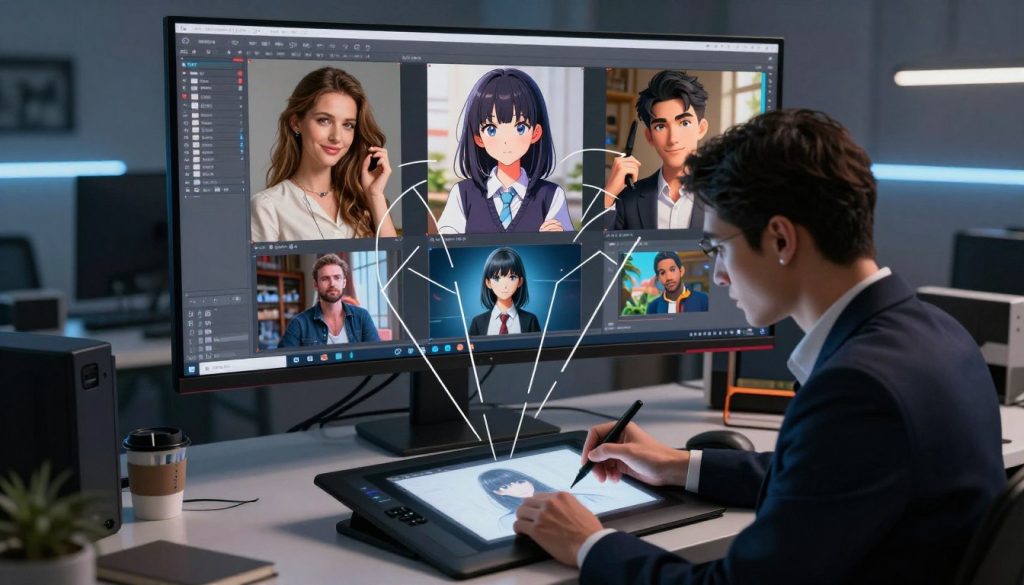
Privacy and cost are part of the workflow. Check pricing, retention, and how platforms handle NSFW content.
“A consistent workflow helps you get predictable, high-quality images while managing credits and cost.”
- Upload securely for processing.
- Select options and customization.
- Monitor credits and pricing per generation.
- Confirm privacy rules for NSFW content.
Privacy and Consent Considerations
Before you press generate, consider how privacy rules shape what you can safely create. Handling adult images and nsfw content carries legal and ethical obligations.
Your first duty is consent. Only upload an image of yourself or someone who has given explicit permission. That simple step prevents harm and legal risk.
Data Protection and Ethical Usage
Check platform safeguards. Many top nude generators, such as ourdream.ai, use end-to-end encryption to keep uploads private. Review retention and deletion policies before you use a generator.
- Get written consent from any identifiable subject.
- Confirm platforms do not store or share your images beyond processing.
- Use customization and pricing settings responsibly to avoid misuse.
“Respect for consent and strong privacy controls keeps this space safe for everyone.”
| Aspect | Why it matters | What to check |
|---|---|---|
| Consent | Prevents harm and legal exposure | Written permission, age verification |
| Data protection | Keeps images private during and after generation | Encryption, retention policy, deletion options |
| Platform rules | Determines acceptable use and content limits | Terms of service, nsfw and adult content policies |
Evaluating Output Quality and Realism
Inspect each output closely for tiny glitches that give away the generation process. Small artifacts, odd edges, or mismatched lighting are the quickest signs a tool failed to blend elements naturally.
July 2025 advancements have pushed image generation forward, so many images now show lifelike skin texture and accurate proportions. Still, you must confirm consistency across multiple runs.
What to check:
- Skin texture and pore detail — look for uniform grain and natural highlights.
- Lighting and shadows — ensure direction and intensity match the scene.
- Anatomy and proportions — avoid awkward joints or stretched limbs.
Many of the best nude generators offer granular customization and in-app editing. Use those controls to refine results and reduce the need for heavy post-editing.
“Consistent evaluation helps you pick the models and settings that deliver professional, usable content.”
Finally, balance quality with privacy and pricing. Check how each generator handles nsfw files and what costs apply before you commit to a subscription.
Comparing Subscription Plans and Costs
Pricing tiers shape how many images you can produce each month and which customization features are unlocked.
Compare what you get, not just the sticker price. Deep Nude AI, for example, lists Master, Ultimate, and Artist packages priced roughly from $69.99 to $199.99. Each tier sets generation limits from about 500 up to 2,000 images.
Many generators use a credit model so you can buy a pack of credit instead of a recurring subscription. That helps control cost if your NSFW work is occasional.
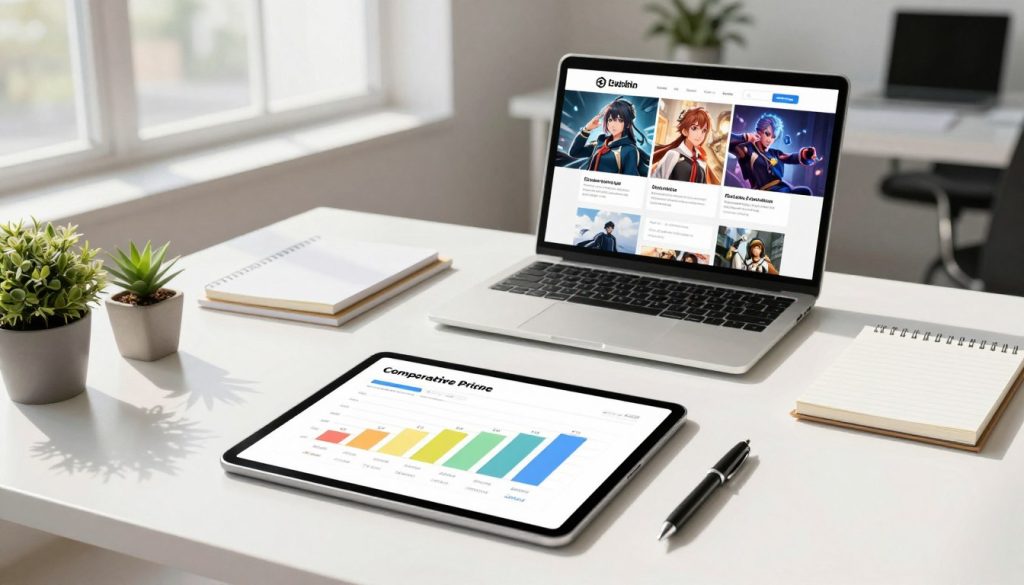
Before you buy, check which plans include advanced customization, priority processing, or bulk discounts. Also review refund rules and payment terms on the live site.
- Match plan limits to your expected monthly image output.
- Factor per-generation pricing when you scale projects.
- Choose credit packs if you need flexibility over a fixed subscription.
“Comparing plans helps you get the best value for ongoing NSFW image production.”
| Plan | Price | Generations |
|---|---|---|
| Master | $69.99 | ~500 |
| Ultimate | $129.99 | ~1,200 |
| Artist | $199.99 | ~2,000 |
Conclusion
Conclude by matching the right platform to your needs, budget, and privacy rules. Choose based on quality checks, cost, and the level of customization you need.
Keep privacy and consent first. Only process images with clear permission and use platforms that protect uploads. This reduces legal risk when you work with nsfw content.
For creative results, test several generators and tools to find what fits your vision. Inspect each image for lighting, anatomy, and artifacts before you finalize work.
Stay informed about updates and pricing. With a few strong, practical checks you can produce responsible, high-quality images while protecting subjects and your project.